Protecting steel from corrosion is essential on Vancouver Island, where annual rainfall exceeds 1500mm in many areas and salt air reaches well inland. The two best protection options for fabricated steel are hot-dip galvanizing and powder coating. Each has distinct advantages, and understanding the difference helps you make the right choice for your project.
Hot-Dip Galvanizing
Hot-dip galvanizing involves immersing the fabricated steel in a bath of molten zinc at about 450 degrees Celsius. The zinc metallurgically bonds to the steel surface, creating a thick, durable, and self-healing protective layer. If the coating gets scratched, the surrounding zinc sacrificially protects the exposed steel — a property called cathodic protection. Galvanizing is the gold standard for structural steel that will be exposed to harsh conditions: fence posts, gate frames, structural supports, and anything buried in the ground.
Powder Coating
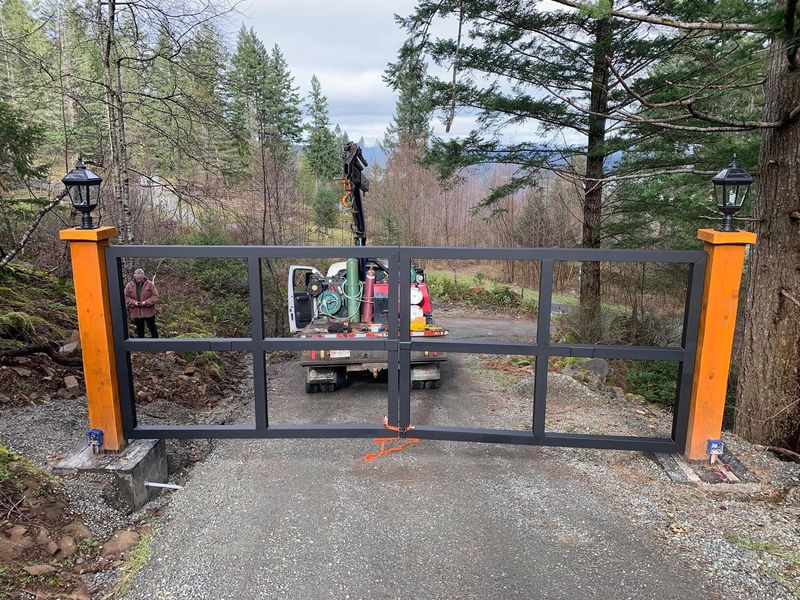
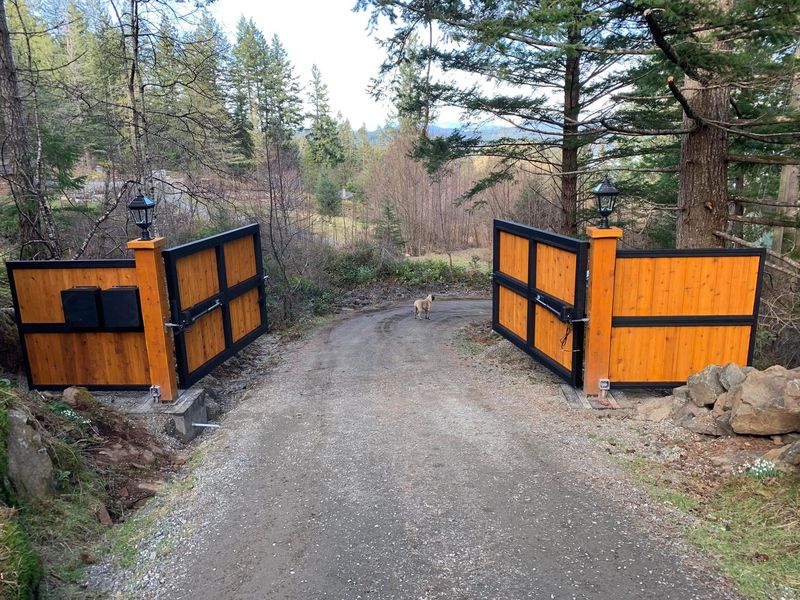
Powder coating applies a dry powder (typically polyester or epoxy-polyester) to the metal surface using an electrostatic charge, then bakes it at 200 degrees Celsius to form a hard, smooth, durable finish. Powder coating comes in virtually any colour and finish — gloss, matte, textured — making it the choice for visible, aesthetic applications like gates, railings, and fencing. It provides excellent UV resistance and physical wear protection.
The Best of Both Worlds
For premium protection in our coastal climate, we often recommend a duplex system: hot-dip galvanizing first, then powder coating over the galvanized surface. This gives you the cathodic protection and corrosion resistance of zinc plus the colour, UV protection, and appearance of powder coating. The two coatings together last significantly longer than either alone — studies show duplex systems can provide two to five times the service life of galvanizing alone.
When to Choose Which
For buried or concealed structural steel, galvanizing alone is sufficient and cost-effective. For visible residential and commercial metalwork, powder coating over galvanizing provides the best combination of protection and appearance. For marine applications, consider marine-grade epoxy or polyurethane coating systems designed specifically for saltwater exposure. For light-duty decorative items, powder coating alone provides adequate protection.
Not sure which finish is right for your project? Call T & C Fabrication at 250-202-1643 for expert advice on metal finishing options for your Vancouver Island project.